Gábor Presser, born in Budapest on May 27, 1948, is a towering figure in Hungarian music. A Kossuth Prize and Erkel Ferenc Prize laureate, he is celebrated as a performing artist, composer, pianist, and singer. His career, spanning decades, has left an indelible mark on popular music, theatre, and film, solidifying his status as a national treasure.
Early Influences and the Birth of a Musician
Presser's musical journey began in his youth. While initially drawn to classical music during his secondary school years, his path was significantly influenced by his classmate Tamás Mihály. Mihály introduced him to the burgeoning light music scene, taking him to concerts by the band Scampolo, where Mihály himself occasionally performed. This exposure sparked a deeper interest in popular music that would shape Presser's future.
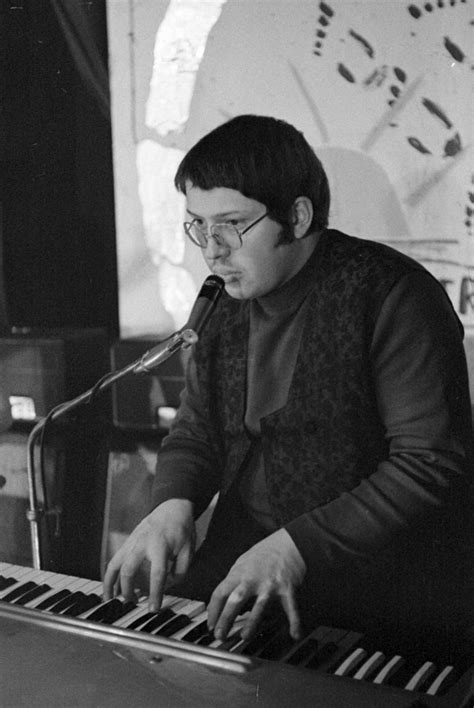
From 1967 onwards, Presser began composing original songs for the band Omega. Prior to this, Omega primarily focused on covering foreign hits. Presser joined Omega as a musician during the summer, experimenting with an unusual lineup featuring two keyboardists and no solo guitarist. This setup, however, proved short-lived, and he was eventually replaced by guitarist György Molnár. During this period, Presser continued to collaborate with Scampolo and also wrote songs for László Komár. A significant moment came in 1968 when he was invited back to join Omega, just before their tour of Great Britain. He became the primary songwriter for Omega's first three albums, contributing significantly to their early success.
The Genesis of Locomotiv GT: Hungary's First Supergroup
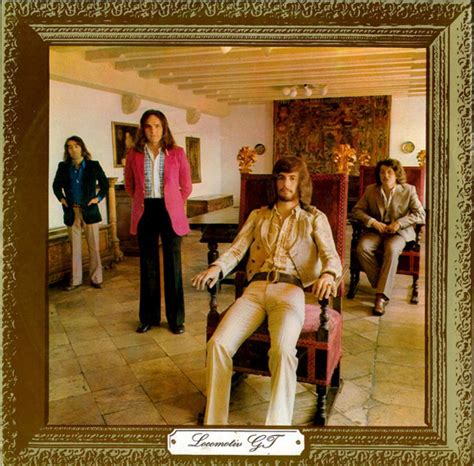
The year 1971 marked a pivotal moment in Hungarian music history with the formation of Locomotiv GT, or LGT, often referred to as Hungary's first "supergroup." The band's name evoked the power and work capacity of a locomotive, combined with the speed of Gran Turismo racing cars. The founding members were Gábor Presser on keyboards, Károly Frenreisz on bass guitar, Tamás Barta on guitar, and József Laux on drums.
The early days of LGT were intertwined with a vibrant, albeit sometimes tumultuous, cultural landscape. The provided text paints a vivid, almost novelistic picture of this era, referencing Che Guevara as a star, rebellious French student movements, the breakup of The Beatles, and the optimistic yet uncertain atmosphere of Budapest. The text notes that "the most exciting three chapters of the book És ilyen a Boksz? of 1985 could not even be published. Those chapters dealing with the Cuban, Romanian and Soviet tours…" hinting at the band's extensive and possibly controversial international engagements.
The internal dynamics of LGT were also marked by change. Frenreisz left the band in early 1973, replaced by Tamás Somló. In 1974, Barta remained in America, and János Karácsony became the new guitarist. Despite these shifts, Presser remained the central creative force, composing the majority of LGT's songs, both independently and in collaboration. The band's story is characterized by what the source material calls the "everybody is remembering it differently" phenomenon, suggesting a rich tapestry of shared experiences with diverse individual recollections.
Expanding Horizons: Theatre and Solo Endeavors
Beyond his work with LGT, Presser's creative ambitions led him into the realm of theatre. In 1972, the Vígszínház (Comedy Theatre of Budapest) commissioned him to compose music for his first "official" play, an adaptation of Tibor Déry's novel Képzelt riport egy amerikai popfesztiválról (An Imaginary Report from an American Pop Festival). This marked the beginning of a prolific career in musical theatre. Since then, he has composed numerous musicals and musical plays, achieving remarkable success with nearly two million theatre tickets sold in Hungary alone.
Some of his notable theatrical works include:
- Képzelt riport egy amerikai popfesztiválról (1973)
- Harmincéves vagyok (I Am Thirty Years Old) (1975)
- Jó estét nyár, jó estét szerelem (Good Evening Summer, Good Evening Love) (1977)
- A sanda bohóc (The Squinting Clown) (1981)
- A próba (The Rehearsal) (ballet, Állami Operaház Erkel Színháza, 1982)
- A padlás (The Attic) (1988)
- Szent István körút 14. (St. Stephen's Boulevard 14) (1998)
- Túl a Maszat-hegyen (Beyond the Smudge Mountain) (Budapest Bábszínház, 2005)
- Magyar Carmen (Hungarian Carmen) (2007)
- Túl a Maszat-hegyen (revisited at Pesti Színház, 2010)
His first solo album, Electromantic, was released in 1982. This album was originally conceived as the electronic score for the ballet A próba (The Rehearsal). A notable piece from this album, "La Baletta No. 2," gained international recognition, serving as the theme music for the BBC's news program and the Budapest Regional News.
Platinum Success and Continued Innovation
Presser's solo career gained significant momentum in the 1990s. He was discovered by BMG Ariola in 1992, and within two years, they released his solo CD Csak dalok (Just Songs), which achieved platinum status. In 1995, he held nine sold-out concerts at the Vígszínház. After a hiatus from live performances, he returned in 2001 with an impressive series of 50 concerts. The "orchestral" concert series Dalok régről és nemrégről (Songs from Old and New) was also documented on a DVD.
In 1996, he released the CD Kis történetek (Little Stories), featuring collaborations with renowned Hungarian and international artists, which also went on to become a platinum seller.
Despite the official dissolution of LGT in the 1980s, the band continued to surprise their fans. They released the album 424 - Mozdonyopera in 1997, followed by a major LGT festival in 2002 attended by tens of thousands, and their latest album, A fiúk a kocsmába mentek (The Boys Went to the Pub), released in 2002. LGT also performed at the Sziget Festival in 2007, marking their return as the opening act for the 15th edition. In February 2013, LGT announced a concert at the Budapest Arena, which, due to overwhelming demand, was expanded to include two additional dates and a rehearsal.

Recognition and Global Impact
Throughout his career, Presser's work has been consistently recognized with prestigious awards. He received the Erkel Ferenc award in 1977, Érdemes Művész (Artist of Merit) in 1990, the Huszka Jenő award in 1996, the Artisjus award in 1999, the Kossuth award in 2003, the Prima Primissima award in 2004, and the Pro Urbe Budapest award in 2009. He has also been recognized as an honorary citizen of Budapest's 13th district.
A significant moment in 2008 was the realization of Presser's long-held dream: the Magyar Dal Napja (The Day of the Hungarian Song). This event, held on the opening day of the Sziget Festival, featured a seven-hour concert with artists from various decades and styles of Hungarian pop music performing their own and others' songs for tens of thousands of attendees.
In January 2009, Presser held a solo concert titled 1koncert at the sold-out Budapest Sportaréna, commemorating 40 years in rock music. The concert featured numerous guest artists, including Tamás Mihály from Omega, Falusi Mariann, Novák Péter, and Rúzsa Magdi, performing Presser's compositions originally sung by other artists. He also participated in charity concerts, including one in the Dohány Street Synagogue in November 2009 for the Élet Menete foundation.
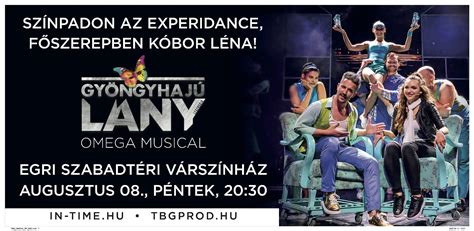
Presser's influence extended globally when, in 2014, a 45-year-old song he composed, Omega's "Gyöngyhajú lány" (The Girl with Hair of Gold), was sampled in Kanye West's song "New Slaves." While the sample was cleared by the record label, the unauthorized alteration of the song led Presser to file a lawsuit for copyright infringement, seeking significant damages. This event brought his work to the attention of a wider international audience.
A Lasting Legacy
Gábor Presser's extensive discography includes numerous solo albums, collaborations, and compilations. His albums such as Csak dalok and Kis történetek achieved platinum status. In recent years, he has continued to release new material, including albums like Szerenád helyett (Instead of a Serenade) in 2015, which topped the iTunes charts upon release. From 2017 onwards, he has released annual albums featuring collaborations with artists like Falusi Mariann (13 dalunk), Oláh Ibolya (Voltam Ibojka), and Rúzsa Magdolna (Lélekcirkusz).
Presser has also ventured into writing, publishing his book Memóriák, jegyzetek, felismerések, tévedések (Memories, Notes, Insights, Mistakes) in 2020, a collection of his experiences, thoughts, and creative processes. He has also composed scores for films, theatre, and ballets, demonstrating the breadth of his musical talent.
His ongoing work with theatre productions and his continued output of new music underscore his enduring passion and creativity. Gábor Presser's multifaceted career, marked by innovation, prolific output, and widespread acclaim, cements his legacy as one of Hungary's most important and beloved musical figures. His ability to move seamlessly between genres and mediums, from rock anthems to intricate musical theatre, has captivated audiences for generations and continues to inspire.