A Hungarian dessert wine, Tokaji Aszú, renowned globally as the "king of wines, the wine of kings," is increasingly finding its way into contemporary mixology, offering a unique depth of flavor and a rich story to cocktails. While traditionally savored on its own, its complex profile of honey, apricot, and subtle herbal notes makes it an adventurous and rewarding ingredient for innovative drink creations. This article explores the fascinating world of Tokaji Aszú cocktails, delving into the wine's heritage, its characteristics, and how it can be masterfully incorporated into refreshing and sophisticated mixed beverages.
A Legacy of Sweetness: The Tokaji Aszú Heritage
The Tokaj wine region, nestled in the northeastern corner of Hungary, is a UNESCO World Heritage site, recognized for its unique cultural landscape and its exceptional wines. The production of Tokaji Aszú is intrinsically linked to a natural phenomenon: "noble rot," or botrytis cinerea. This fungus, thriving in the region's specific microclimate, dehydrates the grapes, concentrating their sugars and imparting distinctive honeyed and apricot flavors. The term "Puttonyos" on a Tokaji Aszú bottle refers to the traditional measure of this noble rot-affected grape paste added to the base wine, with a higher number indicating greater sweetness and complexity. For instance, Tokaji Aszú 3 Puttonyos offers a delightful sweetness balanced by grape and honey notes, while higher Puttonyos levels, such as 5 Puttonyos, reveal an even richer and more profound sweetness.

The historical significance of Tokaji Aszú is undeniable. Louis XV of France famously proclaimed it the "king of wines, the wine of kings," and its celebratory aromas and rich sweetness have made it a symbol of Hungarian cultural and gastronomic heritage for centuries. In recent years, a global trend towards premium and sweet wines in cocktails has provided a new avenue for this venerable wine. Bartenders are no longer just seeking a beverage; they are looking for experience, texture, and a compelling narrative to imbue their creations with.
Beyond Dessert: Tokaji Aszú in Modern Mixology
The inherent sweetness of Tokaji Aszú can be a formidable characteristic when enjoyed neat, and many find it an acquired taste. However, this same sweetness, when expertly balanced with tart, acidic, and spirituous elements, can create exceptionally refreshing and complex cocktails. The key lies in understanding how to complement, rather than overpower, the wine's distinctive profile.
Matthias Friedlein, a German mixer and blogger, has championed Tokaji Aszú in cocktail recipes, demonstrating its versatility. While he has utilized specific bottlings like Disznókő Aszú, other excellent options, such as Dereszla Tokaji Aszú 5 Puttonyos from a notable vintage like 2013, can also be employed. The Dereszla Aszú, in particular, has been lauded for its value, offering a harmonious blend of honey and apricot notes with a creamy texture and pure flavors on the palate, as recognized by tastings like the one conducted by VinCE Magazine.
The Caipirinha with a Tokaji Twist
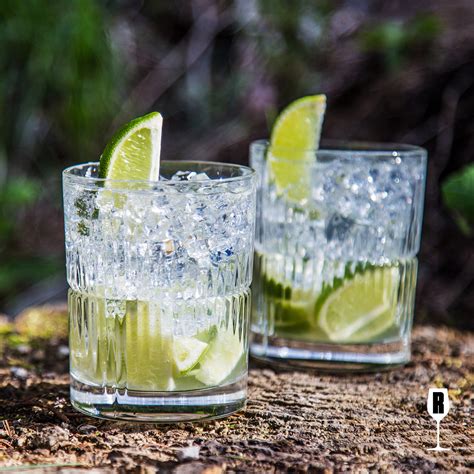
One notable example of Tokaji Aszú’s integration into cocktails is a creative rendition of the classic Caipirinha. Inspired by fig Caipirinhas and the use of Tokaji in renowned cocktail books, this recipe offers a refreshing departure from the standard. The combination of fresh grapes and cachaça with Tokaji Aszú proves to be a winning formula.
For this cocktail, any good quality cachaça is suitable, with the exception of the brand Pitu, which is often mistaken for a spirit category rather than a specific brand. Recommended cachaça brands include Velho Barreiro, Nêga Fulô, Magnifica Tradicional, or Armazem Vieira Turmalina. The Tokaji Aszú, whether a 3 Puttonyos or a sweeter variety, provides a rich, honeyed sweetness that is beautifully counterpointed by the tartness of lime juice and the robust character of the cachaça. This interplay ensures the drink remains balanced and invigorating, making it an ideal summer refreshment.
The Duchess Rooftop Bar's Innovative Creation
The Matild Palace's The Duchess Rooftop Bar in Budapest exemplifies how Tokaji Aszú can be reimagined in contemporary mixology. Their signature cocktail artfully blends the elegance of South American Pisco Capel Reservado with the richness of Sauska 5 Puttonyos Tokaji Aszú. This sophisticated concoction is further enhanced by quince purée, linden honey, lime, and a uniquely silky milk texture.
The creation of this cocktail involves a fascinating clarification process. A base mixture of quince purée or 100% quince juice is prepared and then slowly poured over milk. The interaction between the milk's proteins (casein) and the citric acid causes curdling, which then aids in the separation of cloudy particles. This clarified base is then meticulously strained through a coffee filter. Finally, the Tokaji Aszú is introduced before serving. For an artistic touch, grapes threaded onto a cocktail pick are frozen, dipped in hot chocolate syrup, and then sprinkled with popping candy, adding a playful and visually appealing garnish.
Wine Cocktails: A Resurgent Trend
Wine cocktails, in general, are experiencing a renaissance, offering an exciting alternative to traditional wine service. Whether for intimate gatherings or larger social events, these drinks embody a spirit of joie de vivre, individuality, and exclusivity. For generations, wine regions worldwide have fostered inventive wine cocktails, with French Kir, Italian Mimosa, and Argentinean watermelon-infused Torrontés Tango being prime examples.
Disznókő Estate, recognizing this growing demand, has actively organized cocktail competitions, showcasing the remarkable versatility of sweet Tokaji wines beyond their dessert wine role. Their recipes demonstrate that any sweet wine from Disznókő can serve not only as an aperitif but also as a vibrant cocktail ingredient. These wine cocktails can transport the drinker, evoking the feeling of a coastal breeze even while relaxing on a terrace.
Late Harvest Furmint Cocktails
As the weather warms, outdoor gatherings become more frequent, and refreshing cocktails are highly sought after. Cocktails made from Late Harvest Furmint, another expression of Tokaji winemaking, offer a quick and easy preparation method, perfect for relaxed afternoons or social occasions.
A typical preparation involves shaking the ingredients, except for Port, in a shaker and then filtering the mixture into a beaker. Once a foam has formed on the surface, Port is slowly drizzled in, creating a visually striking narrow red stripe between the foam and the rest of the drink. This method highlights the vibrant colors and layered flavors achievable with Tokaji wines.
A Glimpse into Hungarian Drink Culture
Hungary boasts a rich and diverse drinking culture, with Tokaji Aszú holding a special place. Beyond this esteemed dessert wine, Hungarians enjoy a variety of beverages, from strong presszókávé (espresso) to the bittersweet digestive Unicum, and the ubiquitous fröccs. The Hungarikum Act of 2012 recognizes quintessential local products, including the cultural landscape of the Tokaj wine region and Tokaji Aszú itself.
Understanding the Puttonyos System
The Puttonyos system is crucial for understanding the sweetness and quality of Tokaji Aszú. Historically, "puttonyos" referred to the number of tubs (puttony) of botrytized grapes added to a cask of base wine. The more puttonyos, the sweeter and more complex the wine.
- 1 Puttonyos: The driest style, with subtle sweetness.
- 2-3 Puttonyos: Noticeably sweet, with prominent grape and honey notes.
- 4-5 Puttonyos: Richly sweet, with intense apricot, honey, and sometimes dried fruit flavors.
- 6 Puttonyos: Very sweet and concentrated, often with notes of marmalade and dried fruit.
- Aszú Eszencia: The rarest and sweetest, made from an extremely high concentration of botrytized grapes.
This system allows consumers to select a Tokaji Aszú that aligns with their preference for sweetness and complexity, whether for sipping or for use in cocktails.
The Art of Clarification in Cocktails
The method employed by The Duchess Rooftop Bar highlights an advanced cocktail technique: clarification. This process, using milk or other agents, removes impurities and creates a smoother, clearer texture in the drink. The science behind it involves the reaction of proteins with acids, effectively binding and precipitating unwanted elements. This technique elevates simple ingredients into a refined cocktail experience, demonstrating a sophisticated approach to mixology.
Exploring Other Hungarian Liqueurs in Cocktails
While Tokaji Aszú is gaining traction, other Hungarian spirits also offer unique cocktail potential. Unicum, a complex bittersweet herbal liqueur, made from a secret recipe of over 40 herbs and spices, is a national treasure. Though traditionally enjoyed as a digestif, its intense herbal and bitter profile can add intriguing depth to certain cocktails. Unicum comes in several variations, including the original, Unicum Next (lighter and fruitier), Unicum Szilva (macerated with plums), and Unicum Riserva (aged and more balanced).
Jim Meehan, of PDT fame, has even created a cocktail called the Spritzz using Zwack liqueur (the international version of Unicum), Sanpellegrino Aranciata, and prosecco. In Budapest, the Four Seasons Gresham Palace bar features an aged Negroni that incorporates Unicum Riserva, showcasing its potential in classic cocktail frameworks.
Crafting Unicum-Based Cocktails
Inspired by the versatility of Unicum, several cocktail concepts emerge:
- Hungarian Spritzz: A variation on Meehan's creation, this cocktail might combine Unicum Riserva with Hungarian sparkling wine and perhaps a touch of elderflower liqueur for added floral notes.
- Tokaji Unicum Puszta: This hypothetical cocktail could blend Tokaji sweet wine, Unicum Szilva, and apricot brandy, creating a rich, fruity, and herbal profile reminiscent of the Hungarian plains.
- Transzilvanian: A cocktail that plays on plum flavors, potentially incorporating plum brandy, Unicum Szilva, a splash of carbonated plum juice, and a plum wedge garnish.
These examples illustrate how Hungarian spirits, including Tokaji Aszú and Unicum, can be thoughtfully integrated into cocktail recipes, offering a taste of Hungary's rich liquid heritage. The combination of these unique ingredients allows for the creation of drinks that are both innovative and deeply rooted in tradition.