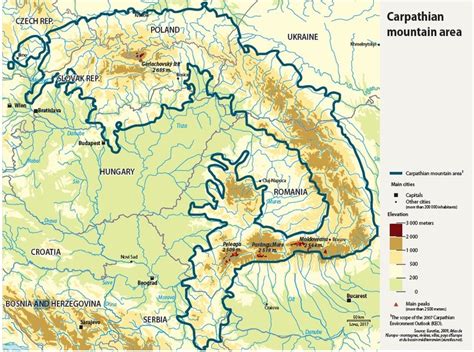
A must-taste wine of Central Europe, Kékfrankos is a venerable Austro-Hungarian grape variety with a rich history and a complex identity. Grown widely across the Carpathian Basin, its origins are believed to lie in Lower Styria, now part of Slovenia, and it has been a significant presence in Central and Eastern European vineyards since the Middle Ages. While many may recognize it by its more internationally known name, Blaufränkisch, this is merely one of its many appellations, a testament to its widespread cultivation and the diverse historical influences on the region's winemaking traditions.
The Enigma of the "Blue Frankish" Name
The grape's multitude of names across the region often stem from translations of "Blue Frankish," yet the precise origin of this designation remains somewhat obscure. A prevailing theory suggests it derives from Franconia in Germany, where the grape is known as (Blauer) Limberger or Lemberger - a name distinct from the pungent Belgian cheese of similar etymology. During the Middle Ages, the practice of naming superior grape varieties "Fränkisch" was common, signifying their perceived excellence over the less esteemed Heunisch varieties.
One anecdotal explanation for the "blue" moniker attributes it to the distinctive blue coats worn by Napoleon's troops. A popular Hungarian legend further elaborates on this, positing that the name Kékfrankos arose when occupying Napoleonic forces in Sopron purchased wine using "blue francs," a currency that held a higher value than the local tender. Today, in Sopron and its environs, as well as across the nearby Austrian and Croatian borders, the local currency is indeed referred to as Kékfrank, a nod to this historical narrative. In Bulgaria, the grape is known as Gamé, and Hungary itself bestows upon it another name, Nagyburgundy (meaning "big Burgundy"), a moniker born from its historical confusion with Gamay Noir and Pinot Noir.
Hungary's Dominance and Austria's Early Acclaim
Hungary proudly cultivates the largest acreage of Kékfrankos. However, across the border in Austria's Burgenland, producers were notably quicker and more assertive in championing the grape and producing quality wines from it. This early success for Austrian Blaufränkisch came ahead of their Hungarian counterparts, who faced significant impediments due to decades of Communist rule and its centrally planned economy. Consequently, Blaufränkisch emerged as the internationally recognized name, a situation that often causes consternation among Hungarians who deeply associate Kékfrankos with their national wine heritage.
Sopron: The Undisputed Capital of Kékfrankos
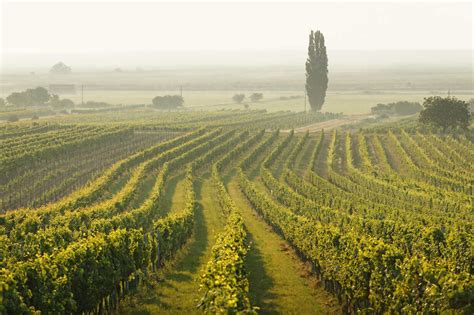
The city of Sopron, situated in western Hungary, rightfully claims the title of the "Capital of Kékfrankos." This region is home to some of the most extensive Kékfrankos vineyards globally, solidifying its reputation as the heartland of this esteemed grape. Kékfrankos is a versatile grape, finding its place in most Hungarian wine regions, with the notable exceptions of the renowned white wine strongholds of Tokaj, Somló, and Badacsony. Historically, it has been a staple in producing affordable, easy-drinking red wines and refreshing rosé, an indispensable component of the popular summer wine spritzer known as fröccs. In fact, a decade or so ago, a light and somewhat unrefined Soproni Kékfrankos was the beverage of choice in many local pubs and bars.
The Evolution of Quality Kékfrankos
In recent years, quality-conscious producers in the northern Hungarian wine regions of Sopron, Eger, and Mátra, as well as in the warmer southern regions of Szekszárd and Villány, have been dedicated to crafting increasingly elegant and balanced Kékfrankos wines. These modern iterations showcase vibrant acidity and pronounced tannins that mature into a velvety, supple, and complex character with age. When expertly vinified, Kékfrankos, with its characteristic crunchy red and black cherry fruit notes and a subtle spicy kick, is a perennial crowd-pleaser and is widely regarded as one of Hungary's premier wine varieties. Its ability to vividly express the unique terroir of its origin is also highly appreciated by connoisseurs.
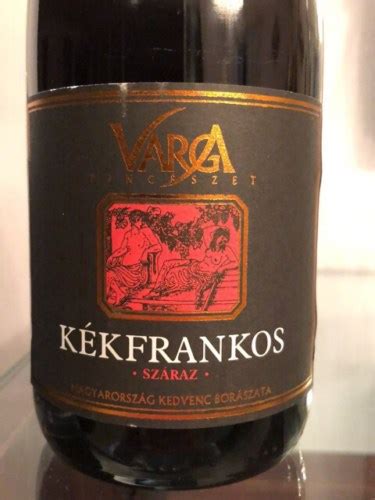
In Hungary, Kékfrankos can yield a light, fruity style of wine made through reductive winemaking, possessing medium tannins. More substantial wines typically undergo maturation for six months to a year in traditional large oak barrels. As an early-budding and late-ripening variety, Kékfrankos requires warm climatic conditions for optimal ripeness. It thrives particularly well in the Szekszárd and Villány regions. Szekszárd producers hold it in high esteem, recognizing it as one of the three foundational styles defining their appellation, yielding structured yet playful wines characterized by fresh acidity and elegance. Kékfrankos also plays a pivotal role in the region's celebrated Bikavér (Bull's Blood) blend.
In Villány, however, Kékfrankos has faced increasing competition from Bordeaux varietals and is often relegated to a supporting role alongside Cabernet Sauvignon. Conversely, in the cooler climates of Sopron, Mátra, and Eger, where Kékfrankos is also extensively planted, certain producers are succeeding in creating concentrated yet silky wines that benefit from the moderating influence of the cooler weather. These wines are typically well-balanced and fruity, often exhibiting delightful aromas of raspberry and violets. Echoing its importance in Szekszárd, Kékfrankos is also an integral component of Egri Bikavér in these northern regions.
A Brief History of Hungarian Wines
Austrian Blaufränkisch: Character and Diversity
Austrian Blaufränkisch, primarily cultivated in the Burgenland region bordering Hungary, produces wines of fine structure and distinct character, often imbued with a racy acidity. The spectrum of styles ranges from fresh and fruity expressions to deeply colored wines boasting dark fruit flavors, peppery notes, and a robust structure. Generally, wines originating from the cooler Leithaberg DAC region, with its characteristic slate and limestone soils, tend to be nervy and elegant. In contrast, those produced closer to Neusiedlersee/Lake Fertő are often richer and more full-bodied. The Mittelburgenland region, aptly nicknamed "Blaufränkischland," is renowned for its structured and spicy interpretations of the grape.
A Prolific Parent Grape
Kékfrankos has also proven to be a valuable parent grape in the creation of new varieties. Austria's most widely planted red grape, Zweigelt, is the result of a cross between Kékfrankos and St. Laurent. Another successful progeny is Blauburger, a hybrid resulting from a cross between Kékfrankos and Portugieser.
Culinary Pairings for Kékfrankos
Regardless of the name it carries, wines made from "Blue Frankish" offer exceptional versatility in food pairings. They are an excellent accompaniment to spicy dishes, grilled meats, and schnitzel. The grape's inherent acidity serves to cut through the richness of fatty foods, while its peppery nuances harmonize beautifully with dishes featuring Hungarian red gold - paprika.
For those eager to explore Kékfrankos from Hungary, The Tasting Table Budapest offers an excellent opportunity. Visitors can sample these wines from their menu or participate in daily tasting experiences, such as the Wine, Cheese & Charcuterie Tasting or the Essentials of Hungarian Wine Tasting. To experience Hungarian wine directly from its source, Taste Hungary provides daily small-group wine tours to the Tokaj, Villány, Balaton & Somló, and Eger regions, alongside customizable private tours to all wine-producing areas.
Hungary, a nation with a winemaking heritage stretching back to Roman times, has carved out a significant niche in the global wine market, celebrated for a select few styles while maintaining centuries of considerable diversity. Beyond the famed sweet wines of Tokaj and the robust Egri Bikavér, Hungary's viticultural landscape encompasses dry whites from the shores of Lake Balaton, Somló, and Neszmély, alongside distinguished reds from regions like Villány, Sopron, and Szekszárd. This rich wine culture has navigated numerous historical, religious, and economic challenges, including periods of Islamic rule in the 16th century, when alcohol consumption was prohibited, and the devastating Phylloxera epidemic that swept through Europe in the late 19th century.
tags: #kekfrankos #cabernet #sauvignon