Very few wines in the world can boast such a glorious history as the wine specialities of Tokaj-Hegyalja. That exactly who and how discovered the technology of soaking the dried berries-picked one by one-is still a mystery.
We know that in 1517 there was already a massive noble rot near Lake Fertő, and in 1530 Vilmos Roggendorf transported two carts of aszú and dried fruit (with a passport) to the Low Countries, but unfortunately, it has not been found out where the asz came from. Some may attribute the first mention of Tokaji Aszú to the legend of Máté Laczkó from Szepsi. István Zelenák was the local historian who found the first mention of aszú grape wine in the 1571 letter of inheritance of Máté Garai in 2002 (the wine may have come from the Hétszőlő area of Tokaj, confirming the importance of the vineyard).
All historical reasoning must be preceded because that around 1110, Kálmán Könyves must have had a cellar in Tokaj-Hegyalja (he said that witches did not exist in Tarcal). And if he had a cellar, it must have had wine. Around 1524, the winegrowers of Szerém were forced to flee north from the Turks, then the wine of Szerém was already famous in Europe and was probably the most famous and successful Hungarian wine of the time. The winegrowers of the southern part of the region also settled in the Hegyalja, and it was their appearance that catalysed the success story of Tokaj-Hegyalja. In 1541, Paracelsus had already written about the uniqueness of Tokaj wines, and he brought the good news of Tokaj to the Western world (alchemists believed that the Tokaj grape was so special because of the gold content of the mountain).
IV. At the Council of Trent (circa 1562), Pope Pius was completely enchanted by the honey-sweet Tokaj wine. Aszú vs. It is a fact that in the cellar inventory of Máté Garai and in the Nomenclature of the teacher Balázs Szikszai Fabricius of Patak (Latin-Hungarian dictionary, several editions between 1550-1600) we find the same expression for aszú grape wine (vinum passum). Surely, that the definition of aszú grapes was known long before Máté Laczkó Szepsi came on the scene. In those days, the practice of picking by one by one was far from proven (unlike the way aszú is made today). At the same time, the designations “főbor” (Hungarian name for the type of Tokaj wine now known as Szamorodni) and "aszú grape wine" will disappear. Whether this is just a matter of a shortening of the aszú, or whether the practice is also a shift to aszú picked by one by one, a special soaking practice, is not clear.
Based on the above train of thought, it is likely that the ancient aszú grape wine (along with the “főbor”) was made by processing fruit raw material similar to today's Szamorodni, where no selection was made, but - since the ashy grains were left in - very rich and delicious sweet wines were produced, which in terms of taste could be similar to today's Szamorodni of Mád (high sugar, creamy flavours, full-bodied wine), and presumably, the farmers of Tokaj made a very good living from it.
According to the legend, Peter Kazinczy wrote down in the town book of Újhely, that the priest of the Lorántffy family’s courtyard made the first Tokaj aszú for the princess in 1631 from the Oremus vineyard for Easter (not punished in old barrels for 6 years). Kazinczy was a confidant and contemporary of the noble family, so he would have known a lot. The document does not actually exist, it has never been found. Máté Laczkó wrote a monograph about everything in 1624: education, religious life, vintages, a little about grapes and wine, but the only thing he did not mention in this great work was the production of Tokaji Aszú wines. So, he left us no recipe. He was also ill in the last years of his life. The exact role of Máté Laczkó in the evolution of aszú is not known to us. It is sure that a few decades later, everyone wanted aszú, and many people made it (thanks in part to the aforementioned tax exemption, but in 1644 it is already a proven fact that aszú with 4 “puttony” arrived in Krakow from Tokaj).
It is therefore possible that something happened in the last years of Máté Laczkó's life (a successful vintage, a successful aszú), which suddenly caused everyone to switch to aszú picked one by one technique, and which also led to the abolition of the tithe of the aszú grape (1655). Presumably XIV. Lajos’ famous saying is the one that made the greatest career: 'This is the king of wines, the wine of kings', he said of wine, On the other hand, II. Ferenc Rákóczi may also give him for diplomatic reasons. But XV. Lajos could have offered Madame Pompadour the wine with the same words. This must have been the golden age of Tokaj when this wine region was one of the most densely populated in Europe. III. Napoleon and Empress Eugenie ordered 30-40 small barrels of Tokaji a year (the glass bottle came into use relatively late, mainly from 1811, till then Tokaji was traditionally sold in barrels).
The Swedish III. Gustav and Tsar Peter the Great loved the wines produced here, as did Beethoven, Liszt, Rossini, Schubert, Goethe, Voltaire and Dumas. XIV. The turbulent events of the centuries have not spared the Tokaji wines. In the late 1800s, the phylloxera, in the twentieth century, two lost world wars, a peripheral situation with the new borders, and finally nationalisation, were the most devastating effects on our famous wine region. In the meantime, it got its protected bottle, and after the change of regime, the product description was gradually tightened: with the abolition of the fortification (alcoholic fermentation) in 1991 and after 1997, the aszú grape and the base must/wine must be from the same year (from 2013, only the 5 and 6 puttonyos categories exist, with a minimum of 120 g/l natural sugar).
Large estates appeared with foreign capital in the 1990s and smaller domestic wineries, where aszú could finally shine again at the highest quality. Today's aszús are arguably the best made, and the best natural sweet wines in the world. But while 300 years ago sweets were a treasure, today we are more in the age of dry wines, where markets for sweet wines are not easy to find. Winemakers craft this exceptional wine from grapes affected by “noble rot,” a beneficial mold called Botrytis cinerea. This mold shrivels the grapes and concentrates their sugars and flavors. The history of the Tokaj wine region dates back to the 16th century, with its first recorded mention in 1571. Hungarian kings and noble families prized Tokaji Aszú for its exceptional quality.
Producing Tokaji Aszú requires careful, labor-intensive work. Harvesters pick the grapes by hand, selecting each berry individually, and collect them in containers called puttonyos. After the harvest, winemakers turn the grapes into a rich paste. They then mix this paste with a base wine or must. The mixture ferments in oak barrels for several years, while it develops depth and complexity. Tokaji Aszú displays a beautiful golden amber color and offers a rich, complex aroma. It often reveals notes of dried apricots, honey, and citrus. Although the wine tastes sweet, its vibrant acidity keeps it balanced. Tokaji Aszú is also known for its remarkable aging potential-properly stored bottles can last for decades. Today, this wine remains a symbol of Hungarian heritage. Admired by wine lovers around the world, it is considered a luxury product. Bring the flavor home: Tokaji Aszú deserves proper glassware. this set of dessert wine glasses is sized just right for sipping something this rich and sweet. Személyes átvételi lehetőség: Budapest II. vagy X. Mindenkinek ajánlom a Tokaji borokat, aki ajándékba, születésnapra, házassági évfordulóra, gyermek születésére, nászajándékba, vagy csak egyszerűen fogyasztásra kíván emlékezetes ajándékot adni, Tokaji borkülönlegességekhez jutni. A Tokaji bor több évig, évtizedekig is elrakható. Az uralkodók, főurak, főpapok, szerzetesrendek, nagybirtokosok, tekintélyes kereskedőházak pincéikben gyűjtögették az ősi borkülönlegességeket egész Európában. Pl. Varsóban a II. Világháború előtti időkig a Fukier Kereskedőház gyűjteményében az 1606-os és 1610-es Tokaji Aszúborokból 328 palackot őriztek. Az Eszenciától, 6 puttonyos kitűnő boroktól kezdve, 3 puttonyoson át, Szamorodnin keresztül, állok különböző pincészetekből származó széles gyűjteményemmel, kedvező árakkal rendelkezésére. Átvétel személyesen, vagy előre utalás után postai csomagküldéssel. (Az ár nem tartalmazza a költséget).
1911 Tokaji Essencia, Herceg Windischgraetz Lajos Tokajhegyaljai borpincészete. Eredeti cca. 3 literes palackban, a dugózása hercegi pecsétnyomó címerrel lezárva: 800.000 Ft
Nagyapja az 1848-1849-es forradalom és szabadságharc alatt a magyarok ellen küzdő osztrák hadvezér, Alfred Candidus Ferdinand zu Windisch-Grätz. Katonai műszaki akadémiát végzett. 1916-1918 között országgyűlési képviselő volt. IV. Károly király bizalmasa, tanácsadója, az Országos Közélelmezési Hivatal vezetője, 1918. január 25-től október 25-ig közélelmezési miniszter lett a Harmadik Wekerle-kormányban. Ifj. Andrássy Gyula első beosztottja 1918. október 25-től november 5-ig.
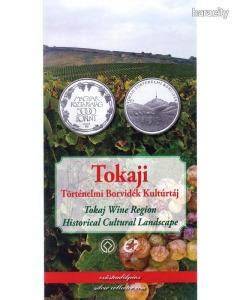
A hírhedt frankhamisítási per fővádlottjaként 4 évi fogházra ítélték (1926), melynek felét elengedték. Ezután sárospataki birtokain élt. 1932-ben német állampolgárságot vett fel. 1933-tól V-99 fedőnéven a Gestapo ügynöke, Károlyi Mihálynét Berlinben sikertelenül próbálta lefogatni. A II. világháború alatt összekötő volt Berlin és Zágráb között. 1918 Tokaji Muskotály Herceg Windischgraetz Pincészet Tokajhegyaljai eredeti töltése cca. 1953 Tokaji Aszú muzeális 6 puttonyos, fakeretben, sorszámozott borkülönlegesség bizonyítvánnyal ellátva, Tokaj Kereskedőház Rt. 1954 Tokaji Aszú muzeális 6 puttonyos, fakeretben, sorszámozott borkülönlegesség bizonyítvánnyal ellátva, Tokaj Kereskedőház Rt.
1955 Tokaji Aszú muzeális 6 puttonyos, fakeretben, sorszámozott borkülönlegesség bizonyítvánnyal ellátva, Tokaj Kereskedőház Rt. 1956 Tokaji Aszú muzeális 4 puttonyos, fakeretben, sorszámozott borkülönlegesség bizonyítvánnyal ellátva, Tokaj Kereskedőház Rt. 1957 Tokaji Aszú muzeális 6 puttonyos, fakeretben, sorszámozott borkülönlegesség bizonyítvánnyal ellátva, Tokaj Kereskedőház Rt. 1959 Tokaji Aszú muzeális 6 puttonyos Tokajhegyalja. 1961 Tokaji Aszú muzeális 6 puttonyos, fakeretben, sorszámozott borkülönlegesség bizonyítvánnyal ellátva, Tokaj Kereskedőház Rt. 1962 Tokaji Aszú muzeális 6 puttonyos, fakeretben, sorszámozott borkülönlegesség bizonyítvánnyal ellátva, Tokaj Kereskedőház Rt. 1963 Tokaji Aszú muzeális 6 puttonyos, fakeretben, sorszámozott borkülönlegesség bizonyítvánnyal ellátva, Tokaj Kereskedőház Rt. 1965 Tokaji Aszú muzeális 6 puttonyos, fakeretben, sorszámozott borkülönlegesség bizonyítvánnyal ellátva, Tokaj Kereskedőház Rt.
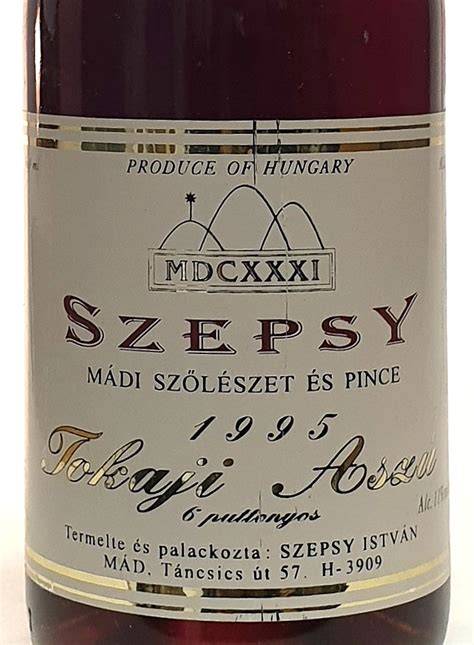
1966 Chianti Classico Riserva olasz, száraz vörösbor, eredeti 0,72 literes palackban: 27.500 Ft. A Chianti klasszikus borösszeállítás, azaz több szőlőfajta házasításával készül. A felhasznált szőlők: Sangiovese (domináns) és Canaiolo (vörös alapborok), kevés Trebbiano és Malvasia. 1966 Tokaji Szamorodni muzeális édes fehérbor, eredeti palackban. 1966 Tokaji Aszú muzeális 6 puttonyos, fakeretben, sorszámozott borkülönlegesség bizonyítvánnyal ellátva, Tokaj Kereskedőház Rt.
1967 Tokaji Szamorodni száraz muzeális fehérbor, eredeti 0,25 literes palackban, francia és magyar nyelvű ellenőrző sorszámjeggyel a nyakán. 1968 Badacsonyi Zöldszilváni muzeális fehérbor, eredeti 0,7 literes palackban: 18.000 Ft. 1968 Tokaji Essencia 375 ml palackban, Pauleczki Pincészet, Tolcsva. 192.200 Ft Vinagora Concours International de Vins 2017.-Aranyérem.
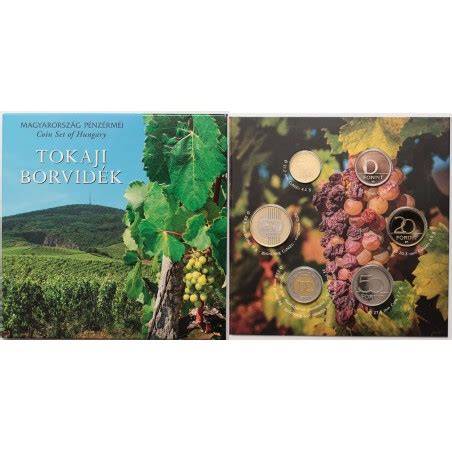
1969 Tokaji Aszú muzeális 6 puttonyos, fakeretben, sorszámozott borkülönlegesség bizonyítvánnyal ellátva, Tokaj Kereskedőház Rt. 1971 Rauenthaler Steinmacher Riesling Auslese, német félédes fehérbor eredeti palackban. 1972 Tokaji Aszúeszencia muzeális, Tornyos Borház, Szegi: 52.800 Ft
Készítette: Kubus László, a Tokaji Vinum Regnum Rex Vinorium Borlovagrend alapító tagja. 1972 Tokaji Aszúeszencia Kiss István pincészete, Tolcsva: 69.000 Ft
Nagy évjáratú bor, szinte vörösborra emlékeztető, mély mahagoni színnel. 1972 Tokaji Nektár (más néven natúresszencia) muzeális borkülönlegesség, eredetiség bizonyítvánnyal ellátva, fakeretben, Monyók pincészet, Mád: 90.500 Ft
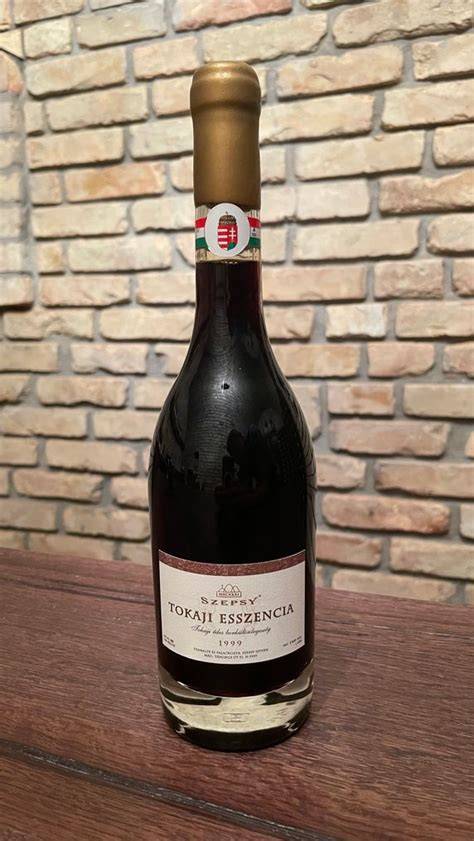
Még az aszúnál is; különlegesebb az Tokaji Esszencia (Nektár), mely egy sűrű, az aszúszemekből a saját súlyuk alatt kifolyó és felfogott nedűt jelent. 1975 Tokaji Aszú muzeális 6 puttonyos Kiss István pincészet, Ciróka-dűlő, Tolcsva: 51.000 Ft. 1999. Országos Borverseny-Aranyérem, 2000. Borvidéki Borverseny-Nagyarany, 2001. 1975 Tokaji Eszencia muzeális, fa díszdobozban, Oremus pincészet, Tolcsva: 140.000 Ft (6 % alkohol tartalom).
Az Eszencia a legnemesebb Tokaji bor. 1979 Brüder Buchner-Roter Reiter. Német exportra palackozott száraz, muzeális magyar Kadarka vörösbor, eredeti palackban. 1979 Tokaji Aszú muzeális 5 puttonyos Tolcsva: 23.900 Ft Challenge International Du VinFrance 1987.-Nagydíj, XXII.
1981 Tokaji Aszú muzeális 6 puttonyos Pajzos Zrt, Sárospatak: 41.500 Ft A Pajzos Pincészetet a borvidék értékeit felismerő befektetők alapították, akik közül kiemelkedik az egyik francia tulajdonos, Jean-Louis Laborde. 1981 Tokaji Aszú muzeális 6 puttonyos, fakeretben, a borászat pecsétjével ellátva, Budányi pincészet, Szerencs: 43.500 Ft
Tokajhegyaljai Borvidék III. 1982 Tokaji Aszú muzeális 5 puttonyos Kincsem-dűlő, Sajgó Gábor családi pincészete, Tolcsva: 44.200 Ft. Az év borásza Tokaj-hegyalján cím nyertese 2002-ben. 1983 Tokaji Aszú 3 puttonyos muzeális, Tolcsva: 19.500 Ft.
1983 Tokaji muzeális 5 puttonyos "Vinum Tokajense Passum" 0,30 literes palackban, eredeti dobozában, Tolcsva: 24.300 Ft. XXII. Országos Borverseny 1992.-Aranyérem, London 1993.-Nagydíj, XXIV. 1983 Tokaji Aszú 5 puttonyos muzeális, Tolcsva: 24.300 Ft. XXIII. Országos Borverseny 1992.-Aranyérem, London 1993.-Nagydíj, XXIV. 1983 Tokaji Aszú Eszencia muzeális Sajgó Gábor családi pincészete, Tolcsva: 89.000 Ft. 2000-ben bekerült a francia kiadású "A világ legjobb ezer bora" katalógusba.
1984 Sylla Sebaste Barolo száraz olasz vörösbor: 19.500 Ft. A borászat hét hektár szőlője Bussia és Bricco Viole Barolo község területein találhatók. 1985 Bodenheimer Mönchspfad Kerner Auslese: 13.600 Ft. Édes, muzeális német fehérbor. 1986 Tokaji Aszú muzeális 3 puttonyos, Tokajhegyaljai ÁG. 1986 Tokaji Aszú muzeális 4 puttonyos, Hungarovin: 26.500 Ft.
1988 Tokaji Szamorodni muzeális édes fehérbor, Tokajhegyaljai Állami Gazdasági Borkombinát, Sátoraljaújhely: 14.900 Ft. A Szamorodni borkategória a 19. 1988 Székesfehérvári-Stuhlweissenburg Ausbruch Gewürztraminer tradícionális, hordós eljárással, töppedt szőlőből készített, édes "Aszú" fehérbor: 15.900 Ft. 1988 Tokaji Szamorodni édes muzeális bor, Tokajhegyaljai Állami Gazdasági Borkombinát, Sátoraljaújhely: 15.900 Ft. 1988 Tokaji Aszú muzeális 3 puttonyos Tokaj Kereskedőház Rt., Sátoraljaújhely: 17.500 Ft
Ljubljana, Szlovénia 1996.-Aranyérem, XXV. 1988 Tokaji Aszú muzeális 5 puttonyos "Chateau Messzelátó" Bene pincészet, Bodrogkeresztúr: 28.000 Ft. Bene Miklós által alapított családi pincészet tradícionalis, tartós fahordós érlelésű kézműves bora. Az 1990-es években csak a Vinárium borkereskedésnek palackozott borkülönlegesség. 1988 Tokaji Aszúesszencia St. Stephan's Crown "Kővágó Estate", készítette: Puklus János borász: 33.900 Ft
1989 Haussmann Riesling Hochgewachs muzeális, német fehérbor, 0,75 literes palackban. 1989 Alsheimer Römerberg Dornfelder német vörösbor, 0,7 literes. 1989 Cotnari Fürstenberg Gewürztraminer, német exportra palackozott román fehér desszertbor: 12.500 Ft. 1989 Tokaji Aszú muzeális 5 puttonyos Erdős pince, Tokaj: 19.200 Ft
Régi tokaji család, generációk óta foglalkoznak szőlőtermesztéssel, borkészítéssel. 1989 Villányi Merlot muzeális, száraz vörösbor. Termelte és palackozta: Szőlő-Bor Kft, Villány: 19.800 Ft. 1989 Tokaji Aszú muzeális 4 puttonyos ritka, nagy értékű borkülönlegesség eredeti fa díszdobozban, Dessewffy Tokaji, Hétszőlő pincészet, Tokaj: 31.900 Ft. A Hétszőlő birtok a tokaji Kopasz-hegy déli lankáin terül el: 45 hektárát két elsőosztályú dűlő, a Hétszőlő és a Nagyszőlő, valamint a másodosztályú Kis-Garai dűlő alkotja.
A XVIII. századi besorolás szerint kivételes borokat ad. A birtok jelentőségét növeli, hogy az első aszúbor említése 1571-ben a Hétszőlő dűlővel kapcsolatban történt. 1990 Székesfehérvári-Stuhlweissenburg Ausbruch Gewürztraminer (Fűszeres Tramini) tradícionális, hordós eljárással, töppedt szőlőből készített, édes "Aszú" fehérbor: 13.900 Ft.
Az Ausbruch egy osztrák-német kategóriájú bor, melyhez fürtön lévő érett, túlérett, töppedt szemek kerülnek feldolgozásra. 1991 Tokaji Aszú muzeális 3 puttonyos, Tokaj Kereskedőház Rt., Sátoraljaújhely: 14.300 Ft. 1993 Tokaji Aszú 4 puttonyos "Korona Birtok" Tokaj Kereskedőház Rt., Tolcsva: 13.500 Ft. 1993 Tokaji Aszú 5 puttonyos Palota Borház, Tállya: 15.500 Ft.
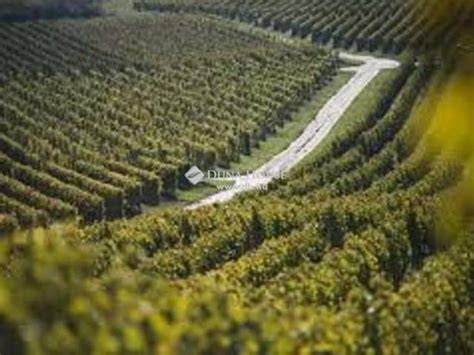
A Birtok legértékesebb termőterülete a tállyai Palota-dűlő, mely már 1772-ben kiemelt, első osztályú besorolást kapott. 1993 Móri Ezerjó muzeális, édes fehérbor, 0,5 literes palackban, Bozóky István, Mór: 24.900 Ft. A móri borvidék meghatározó szőlőfajtája az Ezerjó, amely már a hungarikumok közé tartozik. Szőlőfürtjei aranysárgára érnek, és csodálatos zamattal rendelkeznek.
1993 Tokaji Aszúeszencia muzeális, Tornyos Borház, Szegi: 33.800 Ft. Készítette: Kubus László, a Tokaji Vinum Regnum Rex Vinorium Borlovagrend alapító tagja. 1993 Tokaji Aszúeszencia Dusóczky pincészet, Szegi: 40.000 Ft. Országos Borverseny 1999.-Aranyérem. A pincészet az 1930-as évek során épült, a Svájcból hazatelepült Dusóczky Tamás szervezte újjá a családi szőlészetet, borászatot. 1993 Tokaji Aszú Eszencia, muzeális Champion díjas bor, Sajgó Gábor családi pincészete, Tolcsva: 55.000 Ft. 2000-ben bekerült a francia kiadású katalógusba. A pincészet legeredményesebb csúcsbora.
1993 Tokaji Esszencia Pajzos Pincészet, Sárospatak: 125.000 Ft. A Pajzos Pincészetet a borvidék értékeit felismerő befektetők alapították, akik közül kiemelkedik az egyik francia tulajdonos, Jean-Louis Laborde. 1994 Villányi Cabernet Sauvignon barrique, száraz vörösbor, Villányi Borászat Rt.: 13.000 Ft. Készítette: Bakonyi Antal borász. 1994 Tokaji Aszú 5 puttonyos Sajgó Pincészet, Tolcsva: 27.100 Ft. 1994 Tokaji Aszú 6 puttonyos Sajgó Pincészet, Tolcsva: 31.700 Ft. 1994 Tokaji Aszú 6 puttonyos Úri Borok Pincészete, Mád: 46.500 Ft. 1994 Tokaji Aszú 6 puttonyos Tokaj Kereskedőház Rt. 1994 Tokaji Aszú 6 puttonyos Tokaj Kereskedőház Rt. 1994 Tokaji Aszú 6 puttonyos Tokaj Kereskedőház Rt.
1996 Lörzweiler Hohberg Riesling Kabinett, német fehérbor; 1996 Tokaji Aszú 3 puttonyos Promontorbor, Mád: 15.800 Ft. 1996 Tokaji Aszú 3 puttonyos "Danczka-dűlő", Monyók Pincészet, Mád: 18.900 Ft. A Tokaji Borvidék XI. 1996 Tokaji Aszú 4 puttonyos, Bodvin Borászat, Mád: 22.900 Ft. 1996 Tokaji Aszú 5 puttonyos Promontorbor, Mád: 26.700 Ft. 1996 Tokaji Aszúeszencia Páll Pince, Tarcal: 52.000 Ft.
Nagy Aszús évjáratból, kiemelkedő minőség. In the heat of the summer we do not really feel like drinking sweet wine, however, Tokaji Aszú is a different case. The golden colour of the wine brings sunshine even when the sky is cloudy, the aromas and flavours are abundant from dried apricot through citrus fruits to date, fig or walnut. But the strongest argument pro Tokaji Aszú is its vigorous, refreshing acidity, which elevates the wines and balances the extraordinary amount of residual sugar.
As for the temperature, some say that sweet wines should be consumed at room temperature. Patricius Winery has a 20 year long history of making award winning Tokaji Aszú wines, this 2016 vintage is not an exception - but certainly it is an exceptional wine. Tokaji Aszú 6 puttonyos 2016 has just won another gold medal at the 21st VinAgora International Wine Competition. Its 194 g residual sugar is amazingly balanced by its 11.4 g acidity. “Nicest aromas of botrytized berries followed by enormous, high structure and full body. Some 250-300 wine people are lucky enough to enjoy summer and wines at the same time at the 20 year old Patricius Winery this Sunday, since the estate hosts the 3rd Hungarian Gettogether event, featuring wineries from all over Hungary.
In 2002 UNESCO inscribed the Tokaj Wine Region Historic Cultural Landscape into the list of World Heritage with the aim of protecting its historic architectural and natural environments. The Tokaj Wine Region has an averagely hot, dry continental climate. The Tokaj Wine Region’s incredibly diverse terroirs are unique. The extremely dynamic relatively recent geological past resulted in a wide range of topography, geology and soils. A strict protection of origin specification regulates the grape varieties that can be used to make Tokaji wines. The uniqueness of the Tokaj Wine Region is primarily thanks to the aszú berries and the wines made from them. years old
The first reference is linked to Máté Garai who in 1571 first mentioned aszú szőlő bor (literally aszú grape wine), the predecessor to the world-famous liquid gold we know today. In truly exceptional years Royal Tokaji selects the finest berries from its finest vineyards and carefully produces a few barrels of Single Vineyard Aszú. After a cold winter, temperatures rose rapidly in April and May, stimulating vigorous growth in the vines. Harvest was the earliest in living memory and probably the earliest ever, providing good volumes of healthy, ripe grapes with firm acidity and excellent quality. The warm, dry autumn was more conducive to drying the grapes than to botrytis, but nevertheless we managed to pick a very satisfactory amount of fine quality Aszú berries. Continue reading
After pressing and finishing fermentation in barrel the wines were filled into Hungarian oak casks in our extensive, deep underground cellars to mature for over two years. Floral notes on the nose with scents of flower fields and honey (Mézes Mály translates as “honey-place”). Enjoy now or cellar for future enjoyment as the wine matures. Sip on its own as an aperitif, serve with fruit-based desserts or hard cheeses, or enjoy this mouth-watering wine on its own instead of a pudding. Continue reading
In truly exceptional years Royal Tokaji selects the finest berries from its finest vineyards and carefully produces a few barrels of Single Vineyard Aszú. After a cold winter, temperatures rose rapidly in April and May, stimulating vigorous growth in the vines. Harvest was the earliest in living memory and probably the earliest ever, providing good volumes of healthy, ripe grapes with firm acidity and excellent quality. The warm, dry autumn was more conducive to drying the grapes than to botrytis, but nevertheless we managed to pick a very satisfactory amount of fine quality Aszú berries. The excellent Aszú berries with good structure and perfect botrytis were macerated in fermenting must for two days. Continue reading
Az Essencia a világ legérretébb szőlőjének legkoncentráltabb nedűje. Continue reading
Csillogó arany szín, gazdag illat, melyben a szilva, kajszibarack és fűszeresség dominálnak. Continue reading
Kiemelkedő évjárat kellemes egyensúllyal a száraz-, és hihetetlen gazdagsággal az édes borokban. Halvány arany színű, elegáns bor, citrusos és fűszeres aromákkal.